
Seminars
Enhancing Clinical Predictability through Human Disease-relevant Preclinical Models in CNS and Muscle Drug Discovery
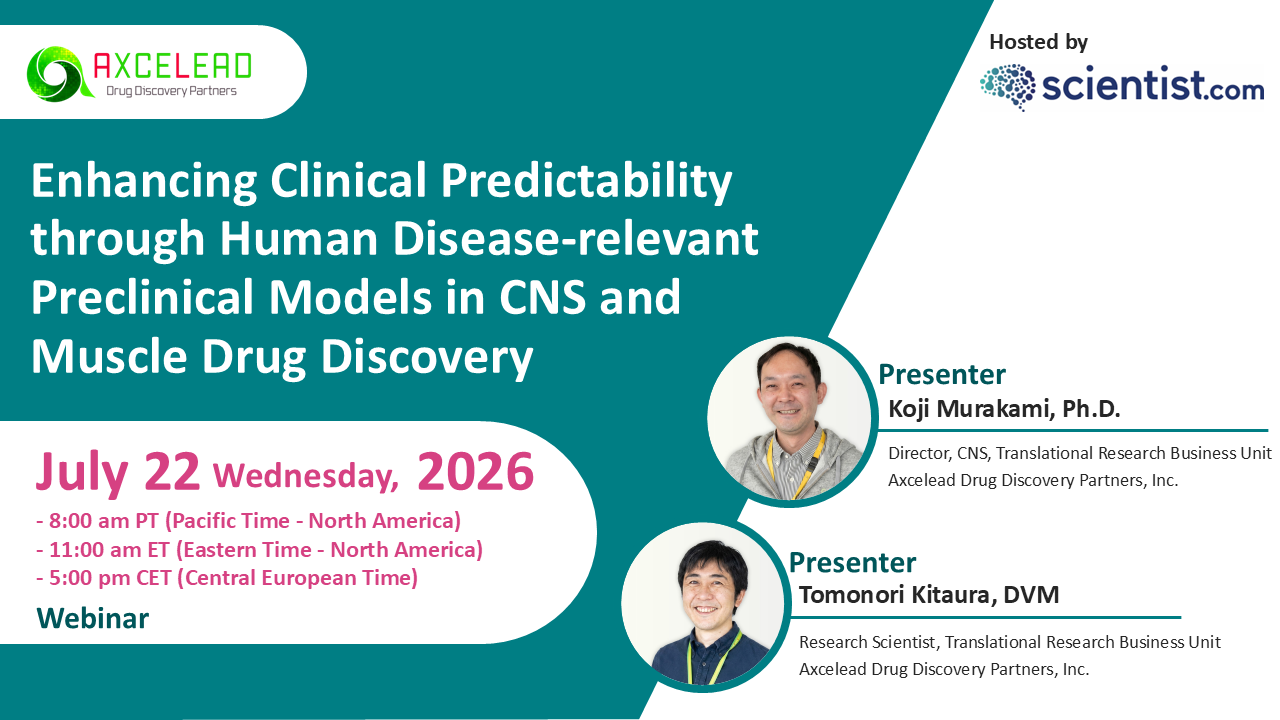

Title :Enhancing Clinical Predictability through Human Disease-relevant Preclinical Models in CNS and Muscle Drug Discovery
Webinar Overview :
Drug discovery for central nervous system (CNS) and muscle diseases continues to face major translational challenges. Conventional models often fail to capture human disease biology, while functional readouts can be difficult to reproduce, interpret, and translate into clinically meaningful outcomes.
In this webinar, we will discuss practical approaches to improve translational decision-making by integrating disease-relevant models, functional assessment, and mechanistic insight across CNS and muscle disease research. By connecting model selection, functional readouts, and clinically relevant outcomes, this webinar will provide insights into how integrated preclinical strategies can support better go/no-go decisions and improve the probability of clinical success.
Key Topics:
CNS Drug Discovery Focus
- Enhancing human relevance and functional translatability with iPSC-derived brain organoid models
- Utilizing EEG and microdialysis-based translational pharmacodynamic assessments to link target engagement to pharmacological effects
- Improving objectivity and reproducibility in behavioral assessment with AI-assisted phenotyping technologies
Muscle Disease Research Focus
- Implementing a translational framework that combines disease-relevant models with quantitative functional readouts
- Using dystrophin/utrophin double knockout models to better capture disease severity, progression, and cardiac phenotypes
- Bridging preclinical and clinical functional assessment using electrophysiological and force-based biomarkers such as CMAP and in vivo torque measurement
Presenters

Koji Murakami, Ph.D.
Director, CNS, Translational Research Business Unit Axcelead Drug Discovery Partners, Inc.
Dr. Koji has over 25 years of experience in vivo and in vitro pharmacology at Takeda Pharmaceutical Company and Axcelead, where he has supported translational drug discovery programs. His research expertise focuses on central nervous system disorders, including ischemic stroke, Alzheimer’s disease, ALS, and schizophrenia.
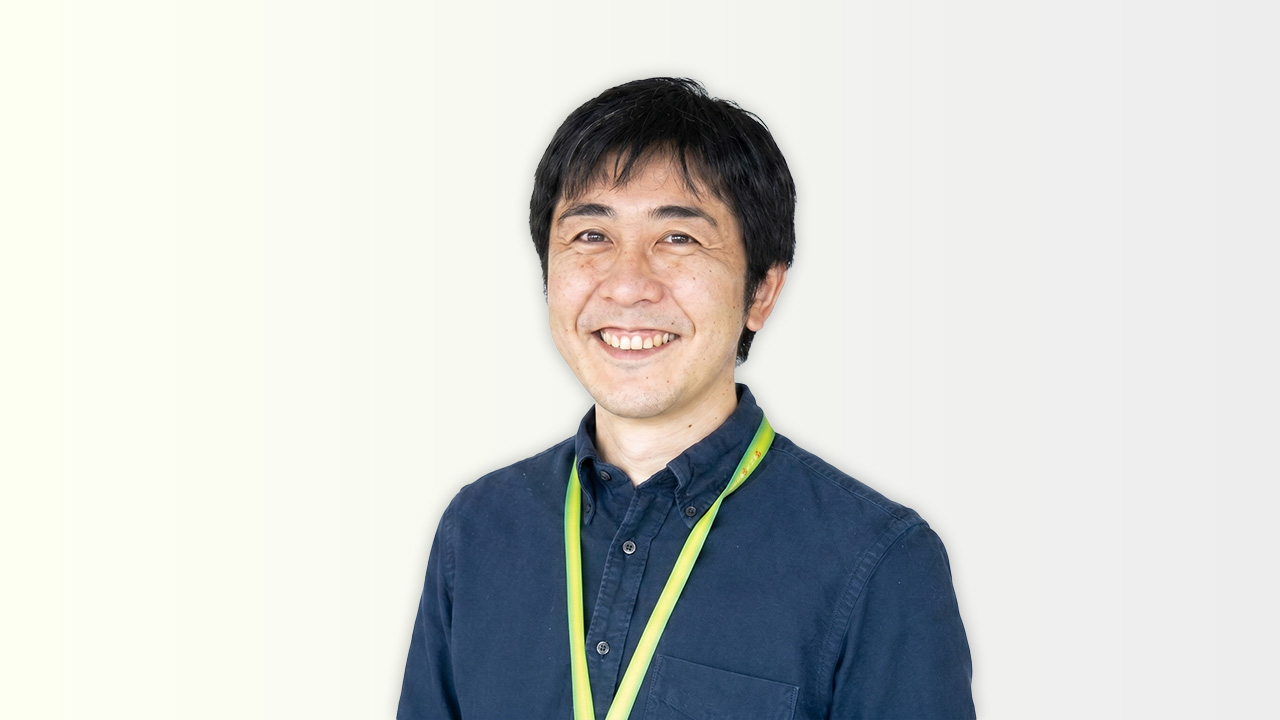
Tomonori Kitaura, DVM
Research Scientist, Translational Research Business Unit, Axcelead Drug Discovery Partners, Inc.
Tomonori Kitaura has nearly 20 years of experience in drug discovery research. He joined Takeda Pharmaceutical Company Limited in 2007, where he worked on nonclinical safety assessment. In 2017, he joined Axcelead Drug Discovery Partners, Inc., where he has since been involved in pharmacological research focused on cardiovascular and neuromuscular diseases. His work particularly focuses on neuromuscular disease pharmacology, including translational research for Duchenne muscular dystrophy and related muscle disorders.