
Seminars
Improving Translational Decision-Making in Obesity and CKD with In Vivo Phenotyping and Clinically Relevant Models
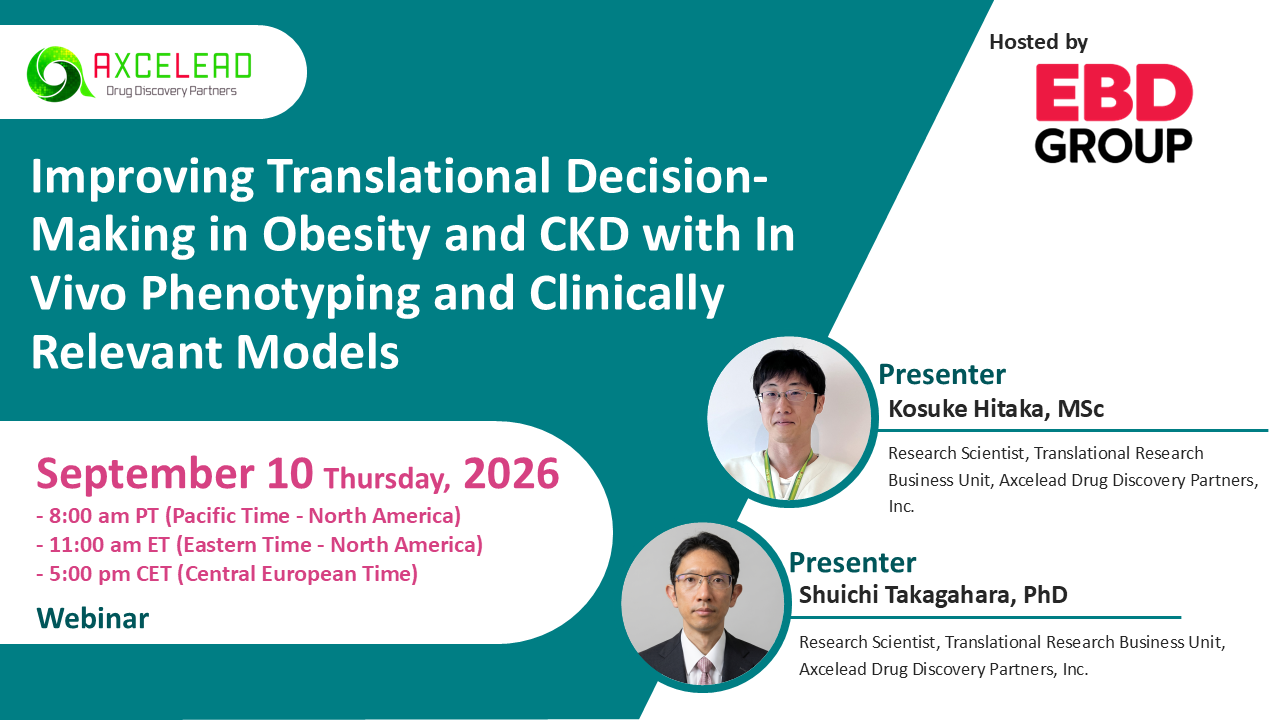

Title :Improving Translational Decision-Making in Obesity and CKD with In Vivo Phenotyping and Clinically Relevant Models
Webinar Overview :
Translational risk remains a major challenge in obesity and kidney disease drug development, often leading to uncertainty in preclinical decision-making.
In obesity, the success of GLP-1 therapies has set a new benchmark, driving the development of both novel mechanisms beyond GLP-1 and combination strategies to address its limitations, including nausea, muscle loss, and weight regain. However, conventional preclinical evaluation based on body weight alone often fails to distinguish true pharmacological efficacy from adverse effect–driven outcomes.
In kidney disease, the limited clinical relevance of conventional models and the difficulty in linking efficacy to underlying mechanisms reduce confidence in candidate selection. In particular, capturing the diversity of CKD pathogenesis—from genetically driven disease progression to multifactorial glomerular injury such as FSGS—and translating these into predictable clinical outcomes remain key challenges.
In this webinar, we introduce how translational in vivo phenotyping, patient-relevant disease models, and advanced tissue analysis can improve interpretation of preclinical data and enable mechanism-driven candidate selection. These approaches help reduce translational risk, enable earlier go/no-go decisions, and support the identification of clinically viable drug candidates.
Key topics include:
- Differentiating next-generation obesity therapies beyond GLP-1, including novel MOAs
- Early identification of safety liabilities using translational emesis and muscle assessments
- Improving CKD evaluation with proprietary, clinically relevant models (AXCC mouse and SHC rat)
- Characterizing renal drug responses using spatial and single-cell analysis
Presenters
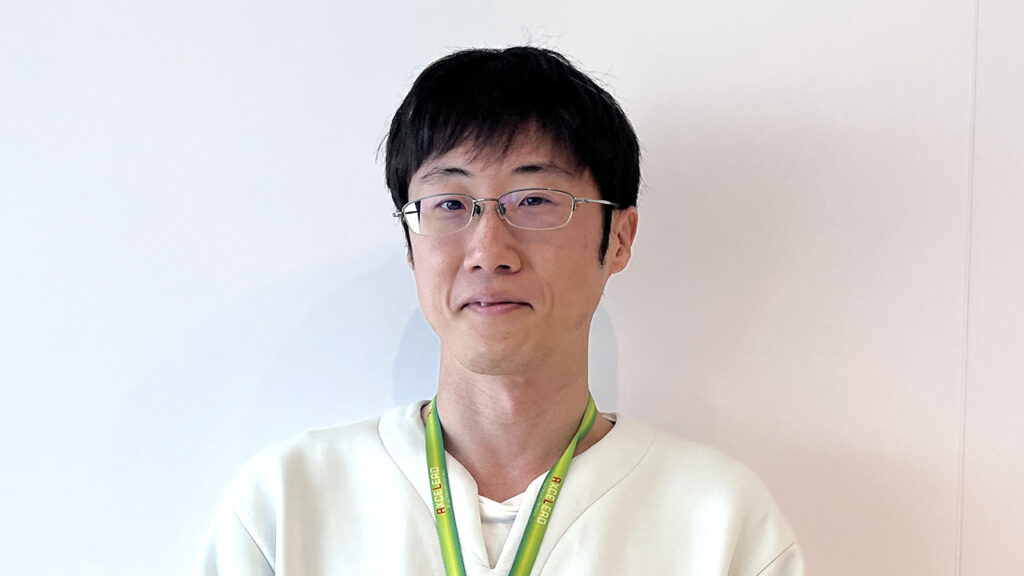
Kosuke Hitaka, MSc
Research Scientist, Translational Research Business Unit, Axcelead Drug Discovery Partners, Inc.
Kosuke Hitaka is a pharmacologist specializing in metabolic diseases.
After obtaining a master’s degree in Pharmaceutical Sciences from Kyushu University in 2012, he spent over a decade in the pharmaceutical industry, where he was engaged in drug discovery research targeting metabolic diseases, including chronic kidney disease.
In 2023, he joined Axcelead Drug Discovery Partners, Inc., where he supports pharmacological research in the fields of obesity and renal diseases.
His work focuses on the design and execution of preclinical studies with a strong emphasis on clinical translatability, contributing to the acceleration of drug discovery programs.
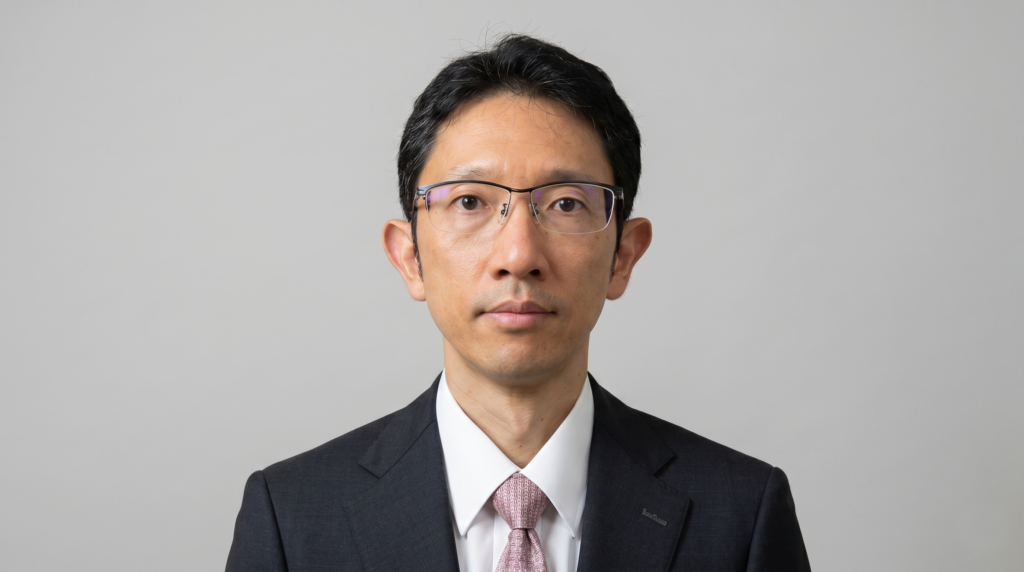
Shuichi Takagahara, PhD
Research Scientist, Translational Research Business Unit, Axcelead Drug Discovery Partners, Inc.
Dr. Shuichi Takagahara is a research scientist in the Translational Research Business Unit at Axcelead Drug Discovery Partners, Inc. He earned his PhD from the University of Tokyo. Dr. Takagahara has over 20 years of experience in vivo and in vitro pharmacology across Takeda, Cardurion Pharmaceuticals, and Axcelead, supporting translational drug discovery programs. His research expertise focuses on cardiovascular, metabolic, and renal diseases including atherosclerosis, heart failure, obesity, and kidney disease.