
Seminars
Lab-in-the-Loop Hit Discovery: Unlocking ‘Undruggable’ Targets with AI-Powered Hit Identification Platform
Webinar Overview :
The discovery of lead compounds for classical druggable targets has become increasingly efficient; however, the development of therapeutics targeting “undruggable” targets continues to face significant hurdles and unmet needs. One of the key challenges in the hit-finding stage is the difficulty in identifying initial hits and obtaining seed compounds that can serve as viable starting points for lead optimization.
Another challenge is the limited variation among hit compounds, which is a major reason for a failure to develop hit compounds to lead compounds. These issues highlight the need for innovative approaches and technologies to overcome current limitations in drug discovery for “undruggable” targets.
Axcelead has closed this gap by tightly integrating AI-driven in silico models with the high-fidelity wet-lab screening platform we inherited from global pharmaceutical companies. The result is a true lab-in-the-loop early discovery ecosystem that expands high-throughput screening (HTS) to the frontier of “undruggable” targets.
In this webinar, we will introduce a screening platform that has succeeded in generating hits in over 90 % of projects, centered on an original 1.2+-million-compound library inherited from pharmaceutical companies, as well as a high-precision AI model built on a proprietary AI foundation model established from an inherited large-scale in vitro database. Through a real-world case study, you will see how the close integration of AI-driven virtual screening and rapid wet-lab validation uncovers novel chemotypes for difficult targets in a fraction of the usual cycle time.
Key takeaways
- How to discover hits against “undruggable” targets using a proven AI-wet-lab integrated platform with over 90% project success rate
- Insider look at Axcelead’s 1.2+-million-compound library, 60% of which is unique and synthesized in-house
- Learn how a proprietary AI model—trained on a vast, pharma-derived in vitro assay database—enhances virtual screening precision
- See a real-world case study of how lab-in-the-loop screening uncovers novel chemotypes faster and more efficiently than traditional approaches
- Understand how integrated hit expansion can accelerate your drug discovery workflow and unlock new chemical space
Speaker
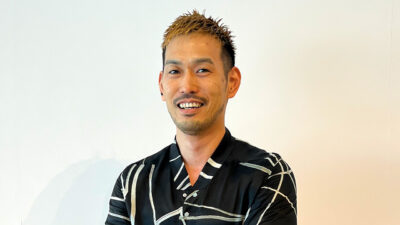
Akito Hata
Screening Business Unit Head / Digital Unit Head, Axcelead Drug Discovery Partners, Inc.
Akito Hata is an experienced scientist specializing in early-stage drug discovery, with a strong focus on in vitro biology and high-throughput screening. He joined Axcelead Drug Discovery Partners in 2021, where he contributed to the development of both a kinase inhibitor platform and a targeted protein degradation platform. In January 2024, he was appointed Head of the Screening Business Unit, and in September 2024, he additionally took on the role of Head of the Digital Unit.
Prior to joining Axcelead, he worked at Takeda Pharmaceuticals in both Japan and Boston, US, where he held a Principal Scientist position in Boston. During his time at Takeda, he was involved in a broad range of early-stage drug discovery programs, including small molecule discovery in Japan and biologics programs, such as antibody and cell therapies, in Boston.
Speaker

Hiroshi Kajino
Principal AI Scientist, Digital Unit,
Axcelead Drug Discovery Partners, Inc.
Dr. Hiroshi Kajino is a researcher on machine learning and its application to chemistry. He obtained his Ph.D. degree in 2016 from the University of Tokyo on privacy-preserving techniques for machine learning, and since then he had been a research staff member at IBM Research – Tokyo until February 2024. During his tenure in IBM Research, not only has he regularly published research papers in top-tier conferences but also has contributed to business applications of machine learning to a wide variety of industry, including materials science. He also led several research projects in IBM Research including drug discovery. His current research interest is optimization of molecular structures using machine learning. He has published a one-of-a-kind monograph on the research topic.