
Topics
Researcher Hashikami from Pharmacology Business Unit to Present a Poster at the World Congress of Nephrology 2026
2026.03.18
Researcher Hashikami from Pharmacology Business Unit , will deliver a poster presentation at The World Congress of Nephrology 2026, to be held in the Pacifico Yokohama, Japan
If you plan to attend the conference, we encourage you to join the session and hear the presentation.
Conference Name: The World Congress of Nephrology 2026
Date & Time: March 28 (Sat), 2026, 17:00-18:00 (JST)
Location: Exhibition Hall (Hall B) of the Pacifico Yokohama, Japan
Title: Inducible Exon Skipping After Disease Onset as a Therapeutic Strategy for CKD:Evaluation in a Patient-Derived Mouse Model of Alport Syndrome
Poster Board No: P481
Abstract No: WCN26-AB-2518
Presentation Summary
Alport syndrome is a progressive hereditary kidney disease caused by genetic mutations, with limited curative treatment options currently available. In our recent study, we evaluated the therapeutic potential of exon-skipping therapy using an Alport mouse model harboring a patient-derived mutation in the COL4A5 gene.
Tamoxifen-induced podocyte-specific exon 21 skipping successfully restored type IV collagen α5 expression and improved renal function and histopathology when induced either before or after disease onset. Notably, treatment after the onset of proteinuria suppressed the progression of glomerular injury, demonstrating therapeutic potential even in advanced disease stages. These findings are expected to provide valuable insights for the development of targeted therapies for monogenic diseases such as Alport syndrome.
Axcelead DDP’s Soulution
Axcelead provides end-to-end solutions for drug discovery research, offering comprehensive services from the generation of genetically engineered animal models to pharmacological and pathological evaluations. We handle everything from precise design and creation of disease models to confirmation of genetic modifications, ensuring flexibility tailored to your research objectives. In addition, our pathology experts deliver high-quality histological assessments essential for efficacy and safety evaluations. By leveraging disease models for functional analyses and therapeutic efficacy studies, we strongly support the resolution of diverse and complex challenges in drug discovery. If you are facing challenges in disease model construction or efficacy evaluation, please contact us.
Related Service: Genetically Modified Animal
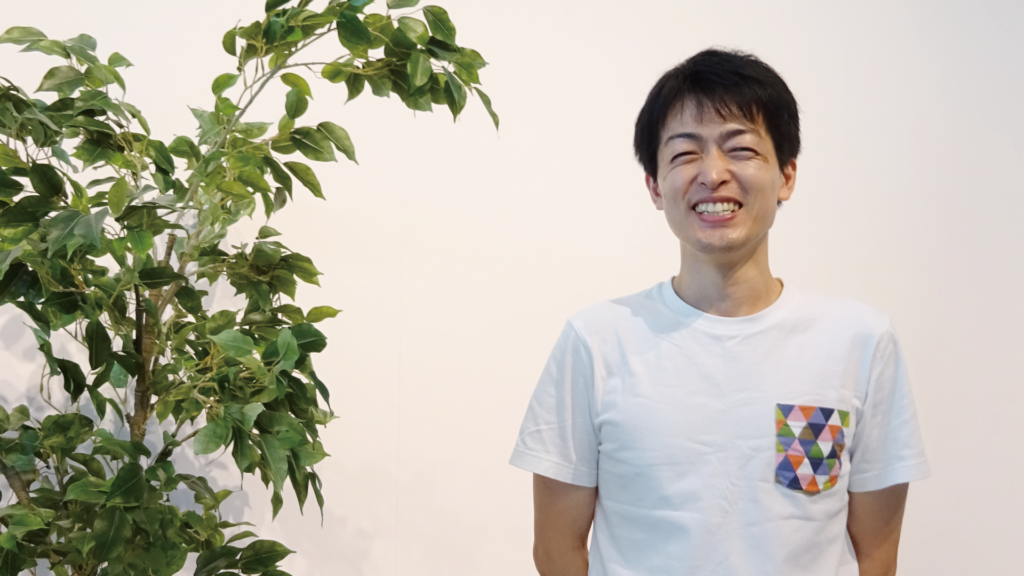
Kentarou Hashikami, Pharmacology Business Unit
Joined Axcelead Drug Discovery Partners, Inc. in 2017. I have expertise in molecular biology and is responsible for the creation and analysis of genetically modified mice and rats. We provide the highest quality genetically modified animals to meet your research needs.